
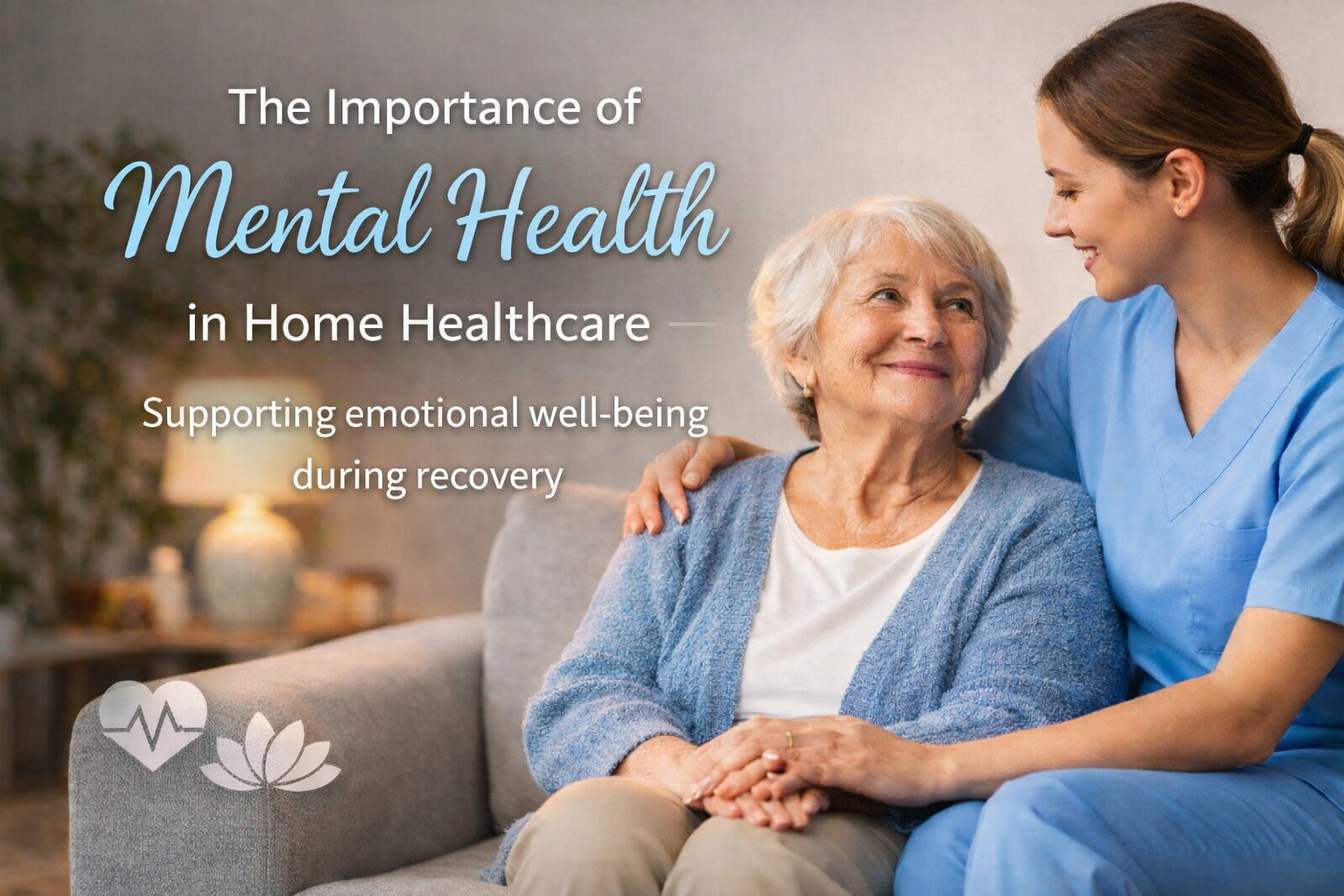
When we think about healthcare, we often focus on medicines, treatments, and physical recovery. But one of the most powerful factors in healing is something less visible — mental and emotional well-being.
For patients receiving care at home, mental health plays a vital role in how they recover, how they respond to treatment, and how they experience daily life. At Sharma Patient Care, we believe that true healing happens when both the body and the mind are cared for with equal attention.
The Hidden Emotional Struggles of Patients
Patients who are elderly, recovering from surgery, living with chronic illness, or dependent on caregivers often face emotional challenges such as:
- Feeling like a burden to family members
- Anxiety about their health condition
- Loneliness due to limited mobility
- Frustration from loss of independence
- Fear of long-term dependency
These feelings are natural, but if ignored, they can slow down recovery and affect overall health.
Why Home Is the Best Place for Emotional Comfort
One of the biggest advantages of home healthcare is the emotional comfort it provides. Being in a familiar environment surrounded by personal belongings and loved ones helps reduce stress and anxiety significantly.
Patients at home experience:
- Better sleep and comfort
- Reduced fear compared to hospital environments
- Emotional reassurance from family presence
- A sense of dignity and independence
This calm and secure environment plays a major role in improving mental health.
How Caregivers Support Mental Well-Being
A professional caregiver does more than provide medical assistance. Their attitude, communication, and empathy directly impact the patient’s emotional state.
At Sharma Patient Care, our caregivers are trained to:
- Speak calmly and respectfully
- Offer encouragement during daily activities
- Listen patiently to patient concerns
- Provide companionship and emotional reassurance
- Maintain privacy and dignity at all times
This compassionate approach helps patients feel valued and understood.
Signs That a Patient May Be Struggling Mentally
Family members and caregivers should be aware of early warning signs such as:
- Withdrawal from conversations
- Lack of interest in daily routines
- Sudden mood changes or irritability
- Loss of appetite or sleep disturbances
- Confusion or forgetfulness
Recognizing these signs early allows timely emotional support and professional guidance.
Simple Ways Families Can Improve Mental Health at Home
Small daily actions can have a big emotional impact:
- Spend time talking and listening
- Encourage light activities or hobbies
- Sit together during meals
- Take short walks in fresh air if possible
- Offer words of reassurance and patience
These moments create emotional stability and strengthen the patient’s confidence.
When Professional Support Is Necessary
If emotional distress continues for a long time, professional medical advice may be needed. Depression, anxiety, and confusion should never be ignored.
With home healthcare services, families can coordinate emotional and medical support without disturbing the patient’s comfort.
A Holistic Approach to Healing
True healthcare is not just about curing illness. It is about restoring peace of mind, confidence, and emotional strength. When mental well-being is cared for, patients:
- Recover faster
- Follow treatment better
- Feel happier and more secure
- Experience an improved quality of life
At Sharma Patient Care, we focus on providing holistic care that supports both physical and emotional needs.
Final Thoughts
Mental health is a silent but powerful part of recovery. By giving emotional support, compassionate care, and a comforting home environment, patients can heal more completely and comfortably.
If you are caring for a loved one at home and need professional support that values dignity, empathy, and mental wellness, Sharma Patient Care is always here to help.